
As winter fades and temperatures begin to rise across Greater Vancouver, many homeowners notice an unwelcome trend—ants suddenly appearing inside their homes. This seasonal surge isn’t random. A Vancouver early spring ant invasion is a predictable pattern driven by environmental changes, food availability, and colony expansion.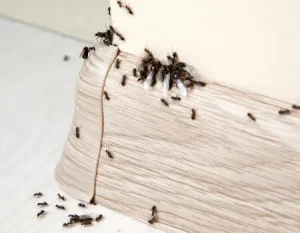 Understanding why it happens is the first step toward stopping it before it becomes a persistent problem.
Why Ants Become Active in Early Spring
Early spring creates ideal conditions for ants to emerge from their dormant winter state. As soil temperatures warm, ant colonies that have been inactive begin to search for food to support their growing populations.
Moisture also plays a major role. Vancouver’s damp climate, combined with melting frost and seasonal rain, can drive ants indoors in search of drier, more stable environments. This is especially true for species like odorous house ants and pavement ants, which are common throughout the region.
In many cases, a Vancouver early spring ant invasion begins when worker ants are sent out to scout for food. Once a reliable source is found, they leave pheromone trails that guide the rest of the colony directly into your home.
Common Entry Points Ants Use
Ants don’t need much space to get inside. Even the smallest structural gaps can become entryways if conditions are right.
Cracks and Foundation Gaps
Tiny cracks in your home’s foundation or siding are among the most common access points. These openings often go unnoticed until ants establish a trail.
Doors, Windows, and Utility Lines
Improperly sealed doors and windows can allow ants to slip inside, especially during warmer afternoons. Gaps around plumbing and electrical lines are another frequent entry route.
Landscaping Close to the Home
Tree branches, shrubs, and mulch beds that touch your home can act as bridges, allowing ants to bypass exterior barriers entirely.
Once access is established, a Vancouver early spring ant invasion can escalate quickly as more ants follow established trails indoors.
What Attracts Ants Into Your Home
Ants are highly motivated by food and water sources, and even small amounts can draw them inside.
Food Residue and Crumbs
Unsealed food containers, crumbs on floors, and sticky surfaces are major attractants. Kitchens and dining areas are especially vulnerable.
Moisture and Standing Water
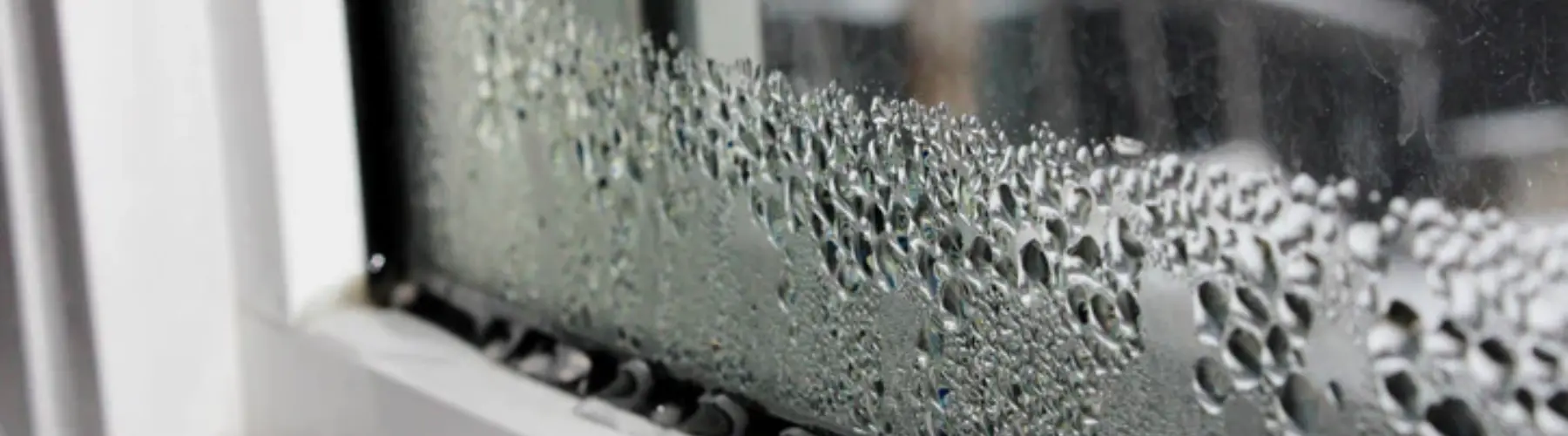
Leaky pipes, damp basements, and condensation provide the hydration ants need to survive. In Vancouver’s already humid environment, this becomes a significant factor.
Garbage and Recycling Areas
Improperly sealed bins or lingering food waste can quickly attract ants, especially as temperatures rise.
These attractants reinforce the cycle of a Vancouver early spring ant invasion, encouraging ants to return repeatedly.
How to Stop Ants Before They Spread
Addressing an ant problem early is critical. Once a colony becomes established indoors, it becomes much harder to control.
Eliminate Food Sources
Keep surfaces clean, store food in airtight containers, and wipe down counters regularly. Even small changes can disrupt ant activity.
Seal Entry Points
Inspect your home’s exterior for cracks and gaps. Use caulking to seal openings around windows, doors, and utility lines.
Reduce Moisture
Fix leaks, improve ventilation, and use dehumidifiers in damp areas. Removing water sources makes your home less attractive to ants.
Disrupt Ant Trails
Cleaning visible ant trails with vinegar-based solutions can remove pheromone markers and reduce repeat traffic.
While these steps can help, they may not fully resolve a Vancouver early spring ant invasion if the colony is well-established or located within your walls.
When to Call a Professional Pest Control Company
If ants continue to return despite your efforts, it’s a sign that the source of the infestation hasn’t been addressed. DIY solutions often target visible ants but fail to eliminate the colony itself.
Professional pest control services use targeted treatments that locate and eliminate nests at the source. This not only resolves the current issue but also helps prevent future infestations during peak seasons.
Protect Your Home This Spring
Ant activity in early spring is more than just a nuisance—it’s an early warning sign of a larger infestation. By understanding the causes behind a Vancouver early spring ant invasion, you can take proactive steps to protect your home before the problem escalates.
If you’re already seeing signs of ant activity, don’t wait for it to get worse. Contact our team today through our website to schedule an inspection and get expert help eliminating ants quickly and effectively.