
Hantavirus Awareness for Property Managers
Protecting Residents, Employees, and Visitors
What Is Hantavirus?
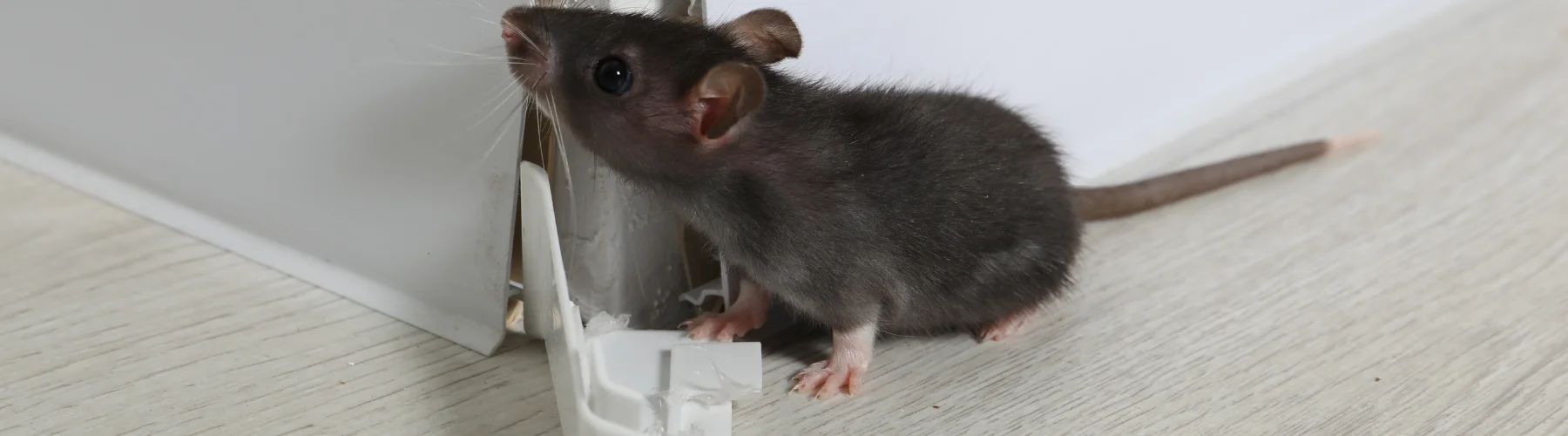
Hantavirus Pulmonary Syndrome (HPS) is a rare but potentially serious respiratory illness caused by exposure to infected rodents or their droppings. In North America, deer mice are the most common carriers.
People can become infected when virus particles from rodent urine, droppings, or nesting materials become airborne and are inhaled, especially during cleaning, renovations, storage access, or maintenance work in enclosed areas.
Why Property Managers Should Be Aware
Residential and commercial properties can unintentionally create environments where rodents thrive, particularly in storage areas, utility rooms, vacant units, crawlspaces, garages, waste collection areas, and food service spaces. While the risk of Hantavirus Pulmonary Syndrome exposure remains low, improper cleanup of rodent droppings or nesting materials can allow virus particles to become airborne.
Potential exposure risks may affect:
- Residents and tenants accessing storage areas, basements, garages, or vacant spaces
- Maintenance staff, cleaners, contractors, and tradespeople working in enclosed or infrequently used areas
- Employees, customers, and visitors in commercial buildings where rodent activity is present
Beyond health concerns, rodent infestations can also impact tenant confidence, workplace safety, and overall property reputation. Proactive rodent prevention, routine inspections, and safe cleanup procedures are important parts of responsible property management.
Prevention Practices for Property Managers
Implement Strong Rodent Prevention Measures
- Seal gaps, holes, and entry points around buildings
- Maintain doors, sweeps, and weather stripping
- Store garbage in secure, covered containers
- Eliminate clutter and standing water
- Trim vegetation away from structures
Conduct routine inspections to identify the following:
- Rodent droppings
- Gnaw marks
- Nesting materials
- Unusual odours
- Signs of entry near pipes, vents, or foundations
Important: Document findings and respond promptly to any evidence of infestation.
Safe Cleaning Practices
Rodent droppings and nesting materials should always be handled with caution. Sweeping or vacuuming contaminated areas can release harmful particles into the air and increase the risk of exposure. When cleaning areas affected by rodent activity:
- Ventilate enclosed spaces before beginning work
- Wear gloves and appropriate personal protective equipment (PPE)
- Thoroughly wet droppings and contaminated surfaces with disinfectant before cleanup
- Use disposable towels or cloths to remove materials
- Seal and dispose of waste properly
- Wash hands thoroughly after cleanup
For significant infestations or heavily contaminated areas, property managers should engage qualified pest control or bio-hazard remediation professionals.
Key Takeaway
Although Hantavirus Pulmonary Syndrome infections are rare, rodent prevention and safe cleanup procedures are important components of maintaining healthy residential and commercial properties. In British Columbia, property owners and landlords have a legal responsibility to maintain rental properties in a condition that is safe, healthy, and suitable for occupancy, which includes taking reasonable steps to address and prevent rodent infestations. Routine inspections, prompt response to rodent activity, proper sanitation practices, building maintenance, and employee awareness can help reduce potential exposure risks and support a safer environment for residents, staff, tenants, customers, and visitors.
How to Evaluate Your Strata’s Current Pest Control Plan
To ensure a building is legally protected and structurally secured against rodents, advise the Strata Council to ask their current pest control provider these three critical containment questions:
1. “Where are the active exclusion zones?”
What to look for: A basic service provider will just drop black bait boxes around the perimeter and call it a day. A proactive company will identify actual entry points—gaps in parkade rubber doors, cracked foundations, or unshielded utility vents—and present a quote to seal them. If the current company only monitors numbers instead of fixing the holes, they are managing a symptom, not containing the problem.
2. “What is our interior containment protocol?”
What to look for: Rodents move through common property pathways (pipes, drop ceilings, cable chutes). The provider should have a clear map of how they isolate infestations to prevent mice or rats from migrating from a parkade or a single storage locker area into residential units.
3. “Do you provide certified bio-hazard cleanup for droppings?”
What to look for: Because of Hantavirus and other airborne pathogens, standard janitorial staff or caretakers should not clean heavy rodent mess. The pest control provider needs to clarify if their technicians are trained in proper PPE, containment protocols, and heavy disinfection before disturbing nesting materials.
When Should a Strata Look for an Alternative Company?
Property managers should advise the council to look for a new pest control partner if they notice any of these red flags:
The “Box-Kicker” Approach: Technicians show up, inspect the exterior bait stations in five minutes, sign the log, and leave without ever evaluating the building envelope or common areas.
Recurring Infestations: If the strata is paying for monthly service but residents are consistently reporting rodent activity in the parkades or storage areas, the containment strategy is failing.
Vague Reporting: The strata receives generic invoices like “Checked stations, activity found, replaced bait” instead of detailed service reports showing hot spots, architectural defects, and recommendations for structural repairs.
Lack of Legal Awareness: The provider fails to offer solutions that align with WorkSafeBC requirements for safe cleanup, leaving the Strata exposed to health liabilities.
Pro-Tip for Property Managers: When presenting a switch to an alternative company at a Strata meeting, emphasize that a cheaper, passive contract often results in thousands of dollars in structural damage and massive legal liability down the road. Upgrading to a specialized, proactive containment service saves the Strata money long-term.