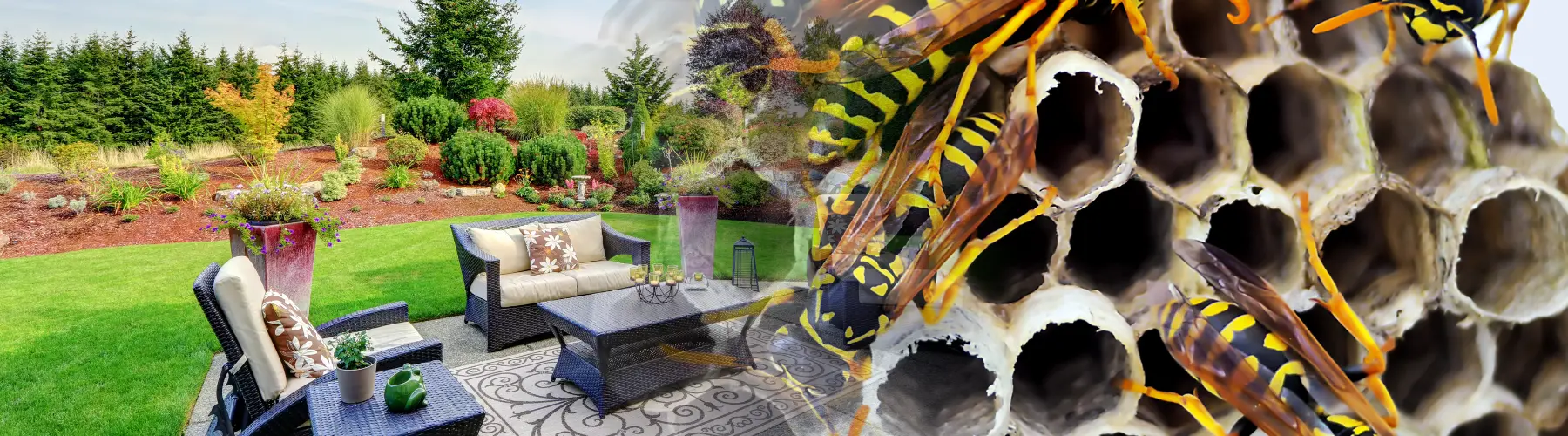


As spring temperatures rise across Greater Vancouver, homeowners are beginning to notice more wasp activity around their properties. While a few wasps flying around may not seem concerning, this time of year marks the beginning of nesting season. Queen wasps emerge from winter hiding places in search of safe, sheltered areas to build new colonies. By summer, those small nests can develop into major infestations. Understanding the most common Wasp nesting spots in Vancouver can help homeowners catch problems early and avoid dangerous encounters later in the season.
Why Wasps Begin Building Nests in Spring
Spring is the starting point for wasp colony development. After surviving the winter in protected spaces such as attics, sheds, and wood piles, queen wasps become active once temperatures consistently warm up.
Their goal is to find a quiet and secure location where they can begin building a nest and laying eggs. During the early stages, nests are usually small and difficult to notice. However, as worker wasps hatch and begin expanding the colony, activity around the nest quickly increases.
Greater Vancouver’s mild climate often allows wasps to become active earlier than in colder regions. This makes spring inspections especially important for homeowners who want to stay ahead of infestations.
The Most Common Areas Wasps Build Nests
Many homeowners are surprised by how close nests can be to high-traffic areas around the home. Recognizing common Wasp nesting spots in Vancouver can make it easier to identify developing colonies before they become larger problems.
Rooflines and Eaves
Roof overhangs, soffits, and gutters are some of the most common nesting areas for wasps.
Why Wasps Choose Elevated Areas
These spaces provide protection from rain, wind, and predators while giving wasps easy access to nearby food and water sources. Small paper nests are often attached beneath roof corners or tucked into shaded areas under eaves. Because these nests blend into the structure of the home, they can remain unnoticed until
Wasp activity becomes more obvious.
Decks, Sheds, and Outdoor Structures
Covered outdoor areas create ideal shelter for nesting queens during spring.
Hidden Areas Around Outdoor Spaces
Wasps commonly build nests underneath decks, inside sheds, beneath patio stairs, and under outdoor furniture. These areas are usually quiet and undisturbed, making them attractive for colony development.
Homeowners often discover nests accidentally while gardening, cleaning, or preparing outdoor spaces for summer use.
Underground Nesting Areas Around the Property
Not all wasps build hanging nests. Some species, particularly yellowjackets, prefer underground nesting locations.
Lawn and Landscaping Areas
Burrows, gaps beneath rocks, and abandoned rodent holes can all become active nesting sites.
Signs of Underground Wasp Activity
One of the clearest warning signs is repeated wasp traffic entering and exiting the same spot in the ground. Increased daytime activity near landscaping or garden beds may indicate an expanding underground colony.
These hidden wasp nesting spots in Vancouver can be especially dangerous because they are easy to disturb accidentally during yard work or landscaping.
Trees and Dense Vegetation
Overgrown shrubs, hedges, and tree branches can conceal small nests during the early stages of development.
Dense vegetation provides shade and protection from weather, helping nests remain hidden until colonies become much larger.
Why Early Nest Detection Matters
A small nest in spring may only contain a queen and a handful of developing workers, but
populations can grow rapidly as temperatures continue to rise. By mid-to-late summer, some
nests may contain hundreds or even thousands of wasps.
As colonies expand, wasps become increasingly territorial and aggressive around:
- Entryways
- Decks and patios
- Outdoor dining areas
- Garbage and recycling bins
- Children’s play spaces
Attempting to remove nests without proper equipment can also be dangerous, especially when
nests are hidden underground or inside structures.
Identifying Wasp nesting spots in Vancouver early can help homeowners avoid larger
infestations and reduce safety risks around the property.
How to Reduce Wasp Activity Around Your Home
While it may not always be possible to prevent nesting entirely, proactive maintenance can significantly reduce the chances of infestation.
Eliminate Food Sources
Keep garbage bins tightly sealed and clean outdoor eating areas regularly. Sweet drinks, food scraps, and exposed waste are strong attractants for wasps.
Inspect Your Property Frequently
Check common nesting areas throughout spring and early summer, especially rooflines, sheds, landscaping, and deck structures.
Seal Potential Entry Points
Repair cracks, damaged vents, and openings around siding or roofing where wasps may attempt to establish nests.
Even with preventative measures, some infestations require professional treatment to safely remove the colony and prevent recurring activity.
Protect Your Property Before Wasps Take Over
Knowing where to look for Wasp nesting spots in Vancouver can help homeowners detect problems early and avoid dangerous infestations later in the season. Taking action in spring is one of the most effective ways to protect your property before colonies fully develop during the summer months.
If you’re noticing increased wasp activity around your home or suspect a nest may already be forming, our team can help. Contact us through our website today to schedule a professional inspection and safe wasp nest removal service for your Greater Vancouver property.