

Mosquito Prevention in Vancouver: What to Actually Expect
Mosquito prevention isn’t like ant, spider, or rodent control. You can’t keep mosquitoes out of your yard, and no treatment can guarantee a mosquito-free summer. (We think you deserve to know that before you spend a dime.)
Metro Vancouver’s mild, wet climate is practically a five-star resort for mosquitoes. Between our rainy springs and humid summer evenings, it doesn’t take much standing water to turn your backyard into a breeding ground. The good news? Most mosquito problems start at home, and most of them can be prevented without any chemical treatment at all. Here’s what actually works.
Setting Realistic Expectations
Unlike ants or wasps, mosquitoes don’t nest in one fixed spot on your property. They can breed in a bottle cap’s worth of water and fly in from neighbouring yards, parks, ditches, or storm drains, even from blocks away. That’s why targeted “mosquito treatments” often show limited or temporary results — you can treat your yard perfectly and still get bitten by mosquitoes that hatched three houses down. Prevention and habitat control are, by far, the most effective long-term strategy.
Any company that promises to “eliminate” your mosquito problem is overselling what’s actually possible. We’d rather tell you what treatment can realistically do: Reduce breeding sites and knock down local populations, and let you decide if that’s worth it, than sell you something that won’t hold up to Vancouver’s wet springs and standing water.
Most pests we treat have a nest, a burrow, or an entry point we can find and eliminate. Mosquitoes are different:
- They breed anywhere water sits still — a bottle cap, a clogged gutter, a birdbath, a neighbour’s unused kiddie pool three properties over.
- They fly in from beyond your property line. A mosquito can travel up to several kilometres from where it hatched. A pest control company can treat your yard perfectly and still not stop the ones drifting in from a wetland down the street.
- New generations hatch every 7–10 days in warm weather, so even a fully treated property can look different two weeks later.
best mosquito prevention methods
What Actually Works: Mosquito Prevention You Can Do Yourself
Since treating the source beats chemical treatment almost every time, here’s where your effort pays off most when we try to prevent mosquitoes.
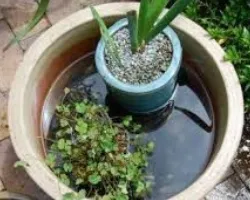
Dump standing water weekly. Plant saucers, gutters, tarps, old tires, kiddie pools, birdbaths. This is the single most effective thing you can do.
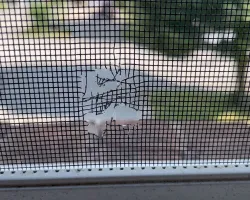
Repair any gaps or tears in window screens.
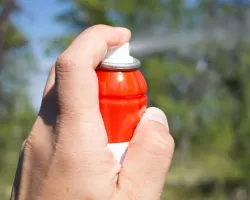
Use an EPA/Health Canada-registered repellent (DEET or icaridin-based) while spending time outside at dawn or dusk, when mosquitoes are most active.
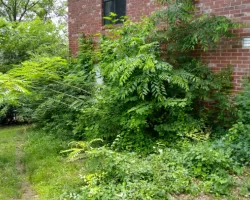
Keep grass trimmed and vegetation cut back. These insects rest in shaded, overgrown areas during the day.

Consider a fan on your patio Mosquitoes are weak fliers and struggle against moving air.
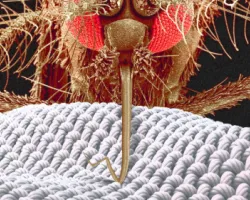
Wear long sleeves and light-coloured clothing in mosquito-heavy areas.
Diseases Mosquitoes Can Carry

In BC, the primary concern is West Nile virus, transmitted by mosquitoes that have picked it up from infected birds. Most people who contract it have no symptoms or mild flu-like illness, but it can occasionally cause serious neurological illness, particularly in older adults or those with weakened immune systems.
If You've Been Bitten
Most mosquito bites are just itchy and go away on their own. Here’s how to manage it:
- Wash the bite with soap and water.
- Apply a cold compress to reduce swelling and an anti-itch cream (hydrocortisone) or oral antihistamine if it’s bothering you.
- Avoid scratching. Broken skin invites infection.
- Watch for signs of infection: increasing redness, warmth, swelling, or pus a day or two after the bite.
- See a doctor promptly if you develop high fever, severe headache, confusion, stiff neck, muscle weakness, or a rash spreading beyond the bite site. These can be signs of a mosquito-borne illness like West Nile virus and shouldn’t be ignored, especially later in summer when local activity peaks.
Mosquitoes aren’t the only pests that thrive in moisture and overgrowth; ants, wasps, and rodents often follow. A little preventative maintenance can go a long way toward a pest-free yard. If you’re dealing with other pest issues around your Metro Vancouver home, 1st Pest Control is here to help with same-day service and family-safe treatments.
FAQs - DIY mosquito prevention tips
Still have questions about prevention of mosquitoes? That’s fair; it’s a service people are often skeptical about, and rightly so. Below, we answer the most common questions about what mosquito preventions can and can’t do, so you know exactly what you’re paying for before you book.
When Is Mosquito Season in Vancouver?
Mosquito season in Vancouver typically runs from May through September, peaking during the warmest, wettest months. Activity is directly tied to temperature and rainfall, since both drive the standing water that mosquitoes need to breed.
Mosquito prevention works best as a season-long habit rather than a one-time task. Water that collects in June creates a breeding site in July, regardless of what mosquito prevention steps were taken earlier in the season.
Does 1st Pest Control treat mosquitoes?
We don’t typically offer chemical treatments for mosquito prevention. Mosquitoes require a different approach than the pests we specialize in, since they breed in standing water and are highly mobile between properties. We’d rather be upfront about that than oversell a service that wouldn’t fully solve the problem.
What's the most effective mosquito prevention I can do myself?
Eliminating standing water is the most effective step. Check gutters, birdbaths, plant saucers, and any containers that collect rain every few days. Pair that with reducing overgrown vegetation and using screens or netting in outdoor living areas.
Are there professional mosquito treatments that work?
Some professional services offer barrier sprays and larvicide treatments that can reduce mosquito activity, though none can eliminate mosquitoes entirely, especially if neighboring properties have breeding sites nearby. If you’re considering professional mosquito treatment, ask providers directly what their approach targets and how long results typically last.
Can pest control actually get rid of mosquitoes?
Not entirely. Mosquitoes breed in standing water and fly in from neighbouring properties, so no treatment, professional or otherwise, can guarantee a mosquito-free yard. Professional treatment can reduce local populations by targeting breeding sites and resting areas on your property, but it works best alongside water removal and screening, not as a stand-alone fix.
What diseases do mosquitoes carry in BC?
The main disease risk in British Columbia is West Nile virus, spread by mosquitoes that pick it up from infected birds. Most infections are mild or symptom-free, though it can occasionally cause serious illness. Diseases like Zika, dengue, and malaria aren’t established in BC’s local mosquito population but are relevant if you’re travelling internationally.
Do mosquito bites need to be treated?
Most bites only need soap and water, a cold compress and an anti-itch cream and will go away on their own in a few days. See a doctor if you notice spreading redness or swelling a day or two later, or if you develop fever, headache, confusion, or muscle weakness, which can signal a mosquito-borne illness.
What actually stops mosquitoes from breeding in my yard?
Removing standing water is the single biggest factor — check gutters, plant saucers, tarps, birdbaths, and anything that collects rainwater at least once a week. Combine that with screening windows and doors, trimming back overgrown vegetation, and using a fan on patios, since mosquitoes are weak fliers.
Is it worth hiring a pest control company for mosquito prevention?
It is contingent upon your circumstances. If you’ve already eliminated standing water and trimmed the vegetation but still have a persistent problem, often from a nearby pond, drainage ditch or wetland, professional larvicide treatment and resting-area spraying can meaningfully reduce the population. If your yard doesn’t have those conditions, you may get more value from consistent DIY prevention than paid treatment.
