

Why Mechanical Rooms Attract Winter Rodents
Rats and mice thrive in environments that offer consistent warmth, darkness, and low foot traffic. A building’s boiler room checks every box, especially between October and March when outdoor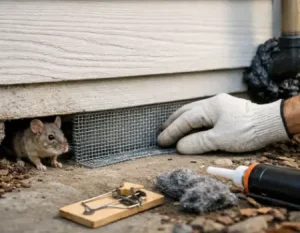 food sources dwindle and heavy rain drives pests inside.
Heat, Water, and Shelter in One Space
Boilers, hot water tanks, and HVAC equipment generate steady ambient heat that protects rodents from freezing temperatures. Condensation from pipes and floor drains also provides a reliable water source, meaning pests rarely need to leave the room to survive.
Unnoticed Entry Points Around Utilities
Mechanical rooms typically house multiple utility lines entering from the exterior of the building. Over time, the mortar, caulking, or flashing around gas lines, electrical conduits, and water mains can degrade. Mice only need a gap the size of a dime to squeeze inside, while rats can fit through openings roughly the size of a quarter.
Clutter and Stored Materials
Utility rooms frequently double as overflow storage for maintenance supplies, cardboard boxes, and spare parts. Cardboard is ideal nesting material for rodents, and stacked items create hidden pathways along walls where pests can travel undetected.
Trust the Pest Experts
Explore our solutions and see how our technicians can prevent and control pest populations in your home or business.
Learn More
Proactive Steps for Boiler Room Rodent Control
Keeping pests out of mechanical spaces requires a mix of facility maintenance and targeted boiler room rodent control strategies. Property managers and building operators should prioritize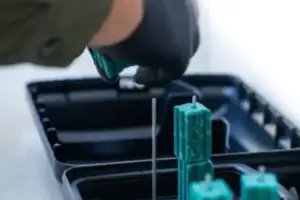 the following steps before peak winter weather hits:
- Inspect and Seal Utility Penetrations: Check where pipes, vents, and wires pass through exterior walls and floors. Seal gaps using steel wool, copper mesh, and commercial-grade sealant that rodents cannot chew through.
- Install Heavy-Duty Door Sweeps: Ensure exterior and interior mechanical room doors close tightly with zero light visible underneath. Fit metal-reinforced door sweeps to block floor-level gaps.
- Eliminate Cardboard and Clutter: Replace cardboard storage boxes with sealed plastic totes and keep stored items elevated off the floor and away from perimeter walls to allow clear visual inspections.
- Address Leaks and Standing Water: Repair dripping valves, clear clogged floor drains, and reduce excess humidity so rodents lose their indoor water source.
- Schedule Routine Pest Monitoring: Partner with licensed technicians to place tamper-resistant monitoring stations and conduct regular inspections tailored to multi-unit and commercial facilities.
The Risks of Ignoring Mechanical Room Activity
Delaying boiler room rodent control puts your entire property at risk. Rodents constantly gnaw to keep their teeth worn down, and utility rooms are packed with vulnerable electrical wiring, pipe insulation, and sensor cables. Chewed wires can cause equipment shutdowns or create serious fire hazards.
Beyond physical damage, mechanical rooms act as central highways for pests. Once established near the boiler, rodents use vertical pipe chases, elevator shafts, and wall voids to reach upper floors. A localized issue in the basement can quickly turn into tenant complaints, health code violations, and widespread infestations requiring extensive rodent control services—and potentially overlapping with secondary pests that require cockroach control or pharaoh ant control in warm multi-unit buildings.
Protect Your Property This Winter with 1st Pest Control
Don’t wait until scratching sounds or droppings appear in common areas to take action. Proactive boiler room rodent control keeps your mechanical systems safe, protects your tenants, and prevents expensive emergency repairs.
At 1st Pest Control, our licensed Greater Vancouver technicians specialize in commercial and multi-unit boiler room rodent control, providing thorough structural assessments, exclusion recommendations, and ongoing monitoring plans built for Lower Mainland buildings. Contact 1st Pest Control today to schedule a winter inspection and secure your property before pests move in.

