

Pavement Ant Control in Metro Vancouver
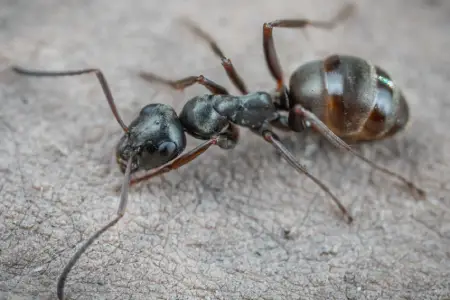
Pavement ants are one of the most common ant species found around Metro Vancouver homes and businesses. While they’re not a structural threat like carpenter ants or termites, large colonies can invade kitchens, patios, and driveways in frustrating numbers. At 1st Pest Control, we identify the source of the colony, treat it at the root, and help you keep them from coming back — with no hidden fees and a satisfaction guarantee on every job.
What Are Pavement Ants?
Pavement ants are small, dark brown to black ants, typically about 1/8 inch long, with pale legs and antennae. They get their name from where they like to nest — in and under pavement cracks, sidewalks, driveways, and foundations. Unlike carpenter ants, they don’t tunnel through wood, but they will happily move indoors in search of food, especially sweets, grease, and crumbs.
Pavement ant colonies can grow large, sometimes housing several thousand workers, which is why an infestation can feel overwhelming even though each individual ant is harmless.
Pavement ant infestation
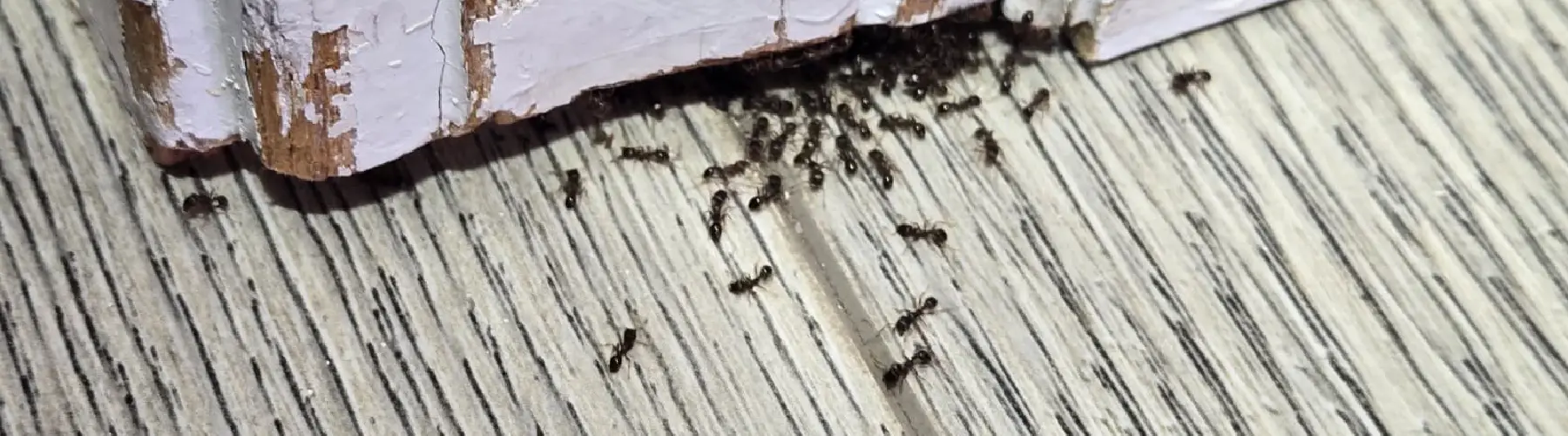
A few signs point to pavement ants specifically:
- Small mounds of loose soil or sand pushed up through cracks in your driveway, patio, or sidewalk.
- Visible trails of small, dark ants along foundations, baseboards, or countertops.
- Ants near doors and windows, especially entering through gaps at ground level.
- Increased activity in spring and summer, when colonies are most active and foraging.
If you’re seeing ants around wood damage, sawdust-like debris, or rustling sounds in walls, you may be dealing with carpenter ants instead — a different treatment approach is needed, so accurate identification matters.
How Does 1st Pest Control Treat Pavement Ants?
Our approach focuses on locating and treating the colony itself, not just the ants you can see.
Here’s what that looks like:
- 1. Inspection We start by walking the property to find nest locations, entry points, and the conditions drawing ants toward your home — this usually includes checking driveways, walkways, foundation lines, and any exterior food or moisture sources.
- 2. Targeted Treatment Rather than blanket-spraying, we apply treatment directly to nest sites and active trails using family-safe products. This targets the colony, including the queen, rather than just the visible workers.
- 3. Exterior Barrier We treat vulnerable entry points around your home’s perimeter to reduce the chances of ants finding their way back in.
- 4. Follow-Up If activity continues after treatment, we come back — that’s part of our satisfaction guarantee, at no extra cost to you.
Tips to Prevent Pavement Ants

While pavement ants are difficult to eliminate completely on your own once a colony is established, a few habits can make your property less appealing to them:
- Seal cracks in driveways, walkways, and foundations where colonies like to nest
- Keep food sealed and countertops crumb-free, especially sugary or greasy residue
- Trim vegetation back from your foundation to remove easy pathways indoors
- Fix leaky outdoor taps or drainage issues — pavement ants are drawn to moisture as much as food
- Store firewood and mulch away from your home’s exterior, since these create ideal nesting conditions nearby
How to Get Rid of Pavement Ants
Getting rid of pavement ants involves more than killing the ants you can see. The appropriate approach depends on where the colony is located, how the ants are entering the property, and whether the activity is primarily outdoors or indoors.
At 1st Pest Control, we assess the situation before recommending a suitable treatment plan.
1. Identify the Ant Activity
We consider where ants are appearing, the routes they follow, and whether there are signs of nesting activity around the building. This helps determine the likely source and appropriate next steps.
2. Determine the Appropriate Treatment
Treatment may involve targeted applications in suitable nesting or foraging areas, depending on the infestation and property conditions. Ant baits may also be appropriate in some situations because foraging workers can transport bait back to the colony. The choice of treatment depends on the circumstances, and products must be used according to their labels and applicable safety requirements.
3. Addressing Attractants
Reducing accessible food sources and addressing gaps around doors, windows, foundations, and utility openings can help make a property less attractive to foraging ants.
Where practical, we may recommend improvements that complement the treatment plan and reduce opportunities for future ant activity.
4. Monitor the Results
Ant activity may not disappear immediately after treatment. The time required to achieve control depends on the location and size of the colony, the treatment method, and environmental conditions. Following the recommended instructions helps support treatment effectiveness and allows any persistent activity to be assessed.
What's included in the treatment?
Every pavement ant treatment includes follow-up visits if needed: one follow-up visit within 30 days for apartments and condos, and up to two follow-up visits within three months for houses and townhouses..
Service Area
We treat pavement ant infestations across Metro Vancouver and the Lower Mainland, including Vancouver, Burnaby, Coquitlam, New Westminster, Surrey, Richmond, North & West Vancouver, and surrounding communities.
Why Homeowners Choose 1st Pest Control
- Same/Next day service available in select areas.
- Transparent pricing — you know the cost before we treat
- Licensed, experienced technicians who explain what they’re seeing, not just what they’re spraying
- Low-toxicity, targeted methods — safe for kids and pets
How to get rid of pavement ants
If you’re noticing small ant trails or sandy mounds around your property, contact 1st Pest Control for a same-day or next-day inspection. We’ll confirm what species you’re dealing with and walk you through a treatment plan — with transparent pricing and no surprises.

New to 1st Pest Control?
Enjoy 10% OFF your first treatment service. (*)
Enter Code NEW10 in the contact form

(*) Terms and Conditions
- This discount does not apply to carpenter ant treatments, exclusion work, Ekomille trials, or rodent inspections.
- Discounts must be claimed/mentioned at the time of initial contact to be honoured.
- This offer does not apply to treatments or services valued at $2,500 or more.
