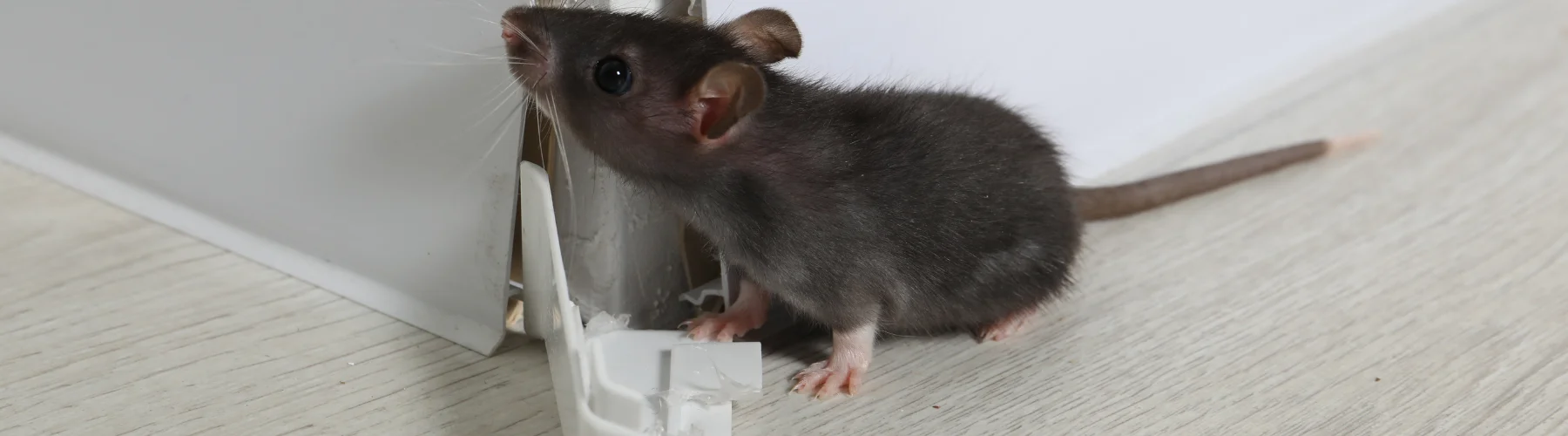

Every night as the house grows quiet, millions of homeowners hear a subtle, unsettling noise: soft scratching, faint pattering, or tiny squeaks coming from behind the drywall. Out of sight and out of mind, wall cavities are the ultimate hidden highway for residential pests. When homeowners struggle with mice in walls, they are rarely dealing with a single curious rodent that wandered in through the back door. Instead, they are witnessing a hidden ecosystem taking root inside the structural framework of their home. Understanding what actually occurs inside wall voids is the first step toward stopping invisible property damage before it escalates into a major crisis.
Why Wall Voids Create the Ultimate Hidden Pest Sanctuary
To a tiny rodent, the hollow space between two sheets of drywall is a five-star hotel. Wall voids provide total protection from natural predators, complete darkness, and an endless supply of soft fibreglass insulation that makes ideal nesting material. Furthermore, these cavities contain an interconnected grid of plumbing pipes, structural studs, and electrical conduits that allow rodents to travel seamlessly from the basement all the way up to the attic without ever stepping foot into your living area. Because human activity rarely disturbs these concealed spaces, a minor intrusion can rapidly turn into a full-scale structural infestation before anyone notices a single drop of evidence in the kitchen.
Unmistakable Signs You Have Mice in Walls
Because rodents operate behind solid drywall, you must rely on secondary indicators rather than visual sightings to confirm an infestation. Look and listen for these distinct warning signs:
- Nighttime Scratching and Scuttling: Distinctive scampering or clawing sounds heard inside wall cavities, particularly between 10 PM and 4 AM when rodents are most active.
- Gnaw Marks on Baseboards: Freshly chewed gaps along baseboards, wall corners, or under kitchen cabinets where rodents enter and exit the wall void.
- Greasy Smudge Marks: Dark, oily rub marks along lower walls or pipe cutouts left by the natural oils and dirt in rodent fur.
- Persistent Unexplained Odors: A stale, musky ammonia smell emanating from electrical outlets or air vents caused by accumulating urine inside the cavity.
- Flickering Lights or Breaker Tripping: Sudden electrical glitches caused by rodents stripping the protective plastic insulation off live copper wires behind your walls.
The Invisible Destruction: Electrical Wiring and Insulation Damage
The most dangerous consequence of hosting mice in walls is their biological urge to chew. Rodents possess open-rooted incisors that grow continuously throughout their lives, forcing them to constantly gnaw on hard materials to wear down their teeth. Inside wall voids, electrical wiring is a prime target. Stripped electrical wires behind drywall create severe arc faults and represent a leading cause of unexplained residential house fires. Beyond fire hazards, rodents compress and tear apart fibreglass wall insulation, destroying your home’s thermal envelope and driving up monthly heating and cooling costs.
Health Hazards Hidden Behind Your Drywall
Even if rodents never step into your living room, having mice in walls poses serious health risks to your family. As rodents navigate wall cavities, they continuously drop feces, urine, and dander inside the enclosed space. Over time, your HVAC system pulls airborne microscopic particles from these contaminated wall voids and circulates them throughout your home’s air supply. This airborne contamination can trigger severe asthma attacks and chronic allergic reactions and expose residents to airborne pathogens like hantavirus and leptospirosis.
Why Standard DIY Traps Fail to Solve the Problem
The most common mistake homeowners make when dealing with mice in walls is setting a few wooden snap traps along kitchen baseboards. While you might catch one or two foraging worker mice, surface traps completely fail to address the core breeding colony nesting inside the wall void. Female mice reproduce at an extraordinary rate, producing up to ten litters per year. As long as the wall void remains accessible and protected, the population will expand faster than surface traps can capture them, rendering basic DIY remedies ineffective.
Professional Exclusion: How Exterminators Remove Mice from Wall Voids
Permanently resolving a rodent problem hidden behind drywall requires a comprehensive, structural approach known as pest exclusion. Rather than placing band-aid traps, professional exterminators conduct a meticulous exterior inspection to locate every foundation crack, roofline gap, and utility penetration larger than a dime. These entryways are permanently sealed using heavy-gauge copper mesh, steel flashing, and industrial sealant. Once exterior entry points are closed, specialized interior treatments and one-way exclusion valves are used to force the remaining colony out of the wall voids without trapping decaying matter inside your home.
If you suspect hidden invaders are destroying your insulation or gnawing on wiring behind your drywall, don’t wait for expensive structural damage to occur. Contact or call our professional pest management team today to schedule a comprehensive wall void inspection and safeguard your home against hidden pests!