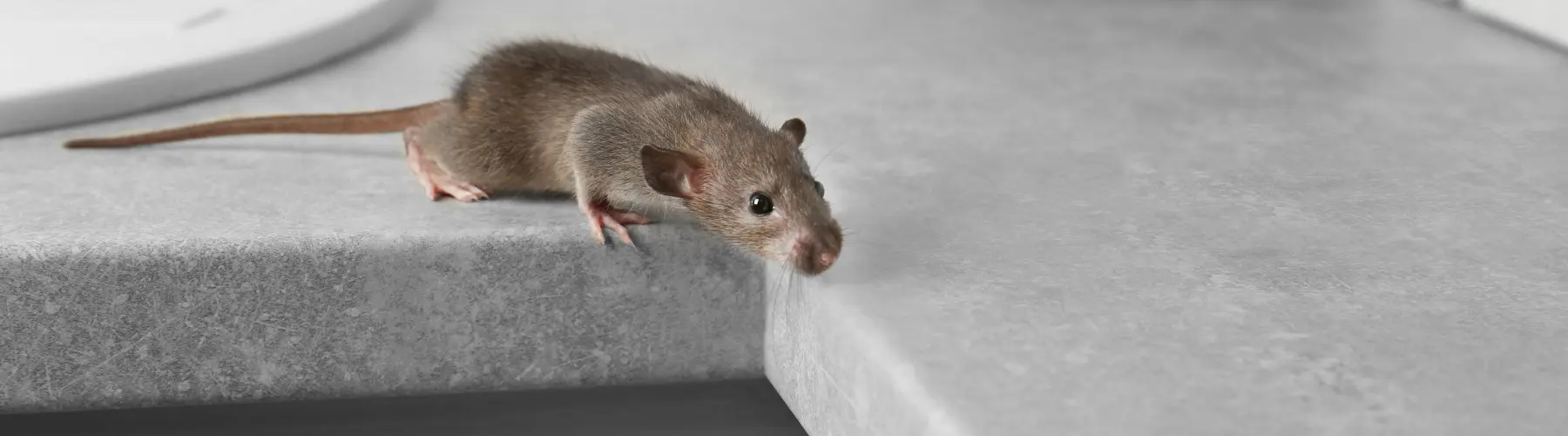

During a professional pest inspection, licensed technicians identify subtle environmental indicators that property owners typically overlook, including micro-gap entry points, faint grease rub marks along baseboards, localized moisture accumulation, and early wood-destroying organism damage. While homeowners usually only react when pests become visibly active, an expert evaluation pinpoints hidden harborage sites, entry pathways, and conducive structural conditions long before full-scale infestations take root.
Most property owners only think about calling for help when they physically spot an insect scurrying across the kitchen counter or hear scratching sounds inside their drywall late at night. However, active pest infestations rarely happen overnight. Long before bugs or rodents become visible in your living spaces, they leave behind subtle clues that indicate early activity and structural vulnerability. A comprehensive, professional pest inspection goes far beyond looking for obvious pests. Experienced technicians are trained to read hidden architectural warning signs, environmental indicators, and subtle pest behaviours that average homeowners routinely walk past every single day.
The Hidden Clues Revealed During a Professional Pest Inspection
A trained eye views a residential or commercial building through a completely different lens than someone who lives or works there daily. Where an owner sees a quiet basement or a neat backyard patio, a technician conducting a pest inspection evaluates micro-climates, airflow, structural gaps, and potential entry corridors. Recognizing early warning signs allows specialists to resolve pest pressures at the perimeter long before severe property damage or health risks develop inside living areas.
1. Subtle Structural Gaps and Architectural Entry Points
Rodents and insects do not need open doors or windows to gain access to your interior spaces. Mice can squeeze through foundation gaps as small as a dime, while insects like ants and spiders pass through hairline cracks surrounding window frames or utility penetrations. During a detailed pest inspection, specialists inspect every inch of your property’s exterior envelope to locate compromised seals and unmeshed vent openings that homeowners rarely notice.
- Utility Pipe Penetrations: Small gaps around exterior plumbing lines, electrical conduits, and HVAC lines where sealant has aged and cracked over time.
- Door Sweep Degradation: Tiny gaps beneath garage doors or exterior entry doors where worn rubber seals permit easy crawling insect and rodent passage.
- Roofline and Soffit Gaps: Unsealed fascia boards, open soffit vents, and missing chimney caps that invite squirrels, bats, and roof rats into attic spaces.
- Weep Hole Vulnerabilities: Open drainage weep holes in brick veneer walls that lack protective mesh covers, creating direct highways into wall cavities.
- Foundation Settlement Cracks: Micro-fractures along concrete foundation walls where moisture collects and ground-dwelling pests gain ground-level entry.
Microscopic Signs of Pest Movement and Harborage
Pests leave behind tiny physical evidence long before they make an appearance in high-traffic rooms. During an assessment, a technician spots subtle rub marks—dark, oily smudges left on baseboards or drywall cutouts as rodent fur rubs against surfaces along their nightly travel paths. Similarly, fine sawdust-like frass piling under baseboards points toward carpenter ant activity, while tiny black speckling in damp corners often reveals early cockroach harborages that would otherwise pass unnoticed during routine house cleaning.
Moisture Accumulation and Conducive Environmental Conditions
Pests require water to survive, making hidden moisture one of the single largest drivers of structural infestations. Homeowners often miss minor plumbing leaks under crawlspaces, subterranean drainage issues, or slow condensation buildup behind appliances. A thorough pest inspection incorporates moisture meters and thermal imaging to detect elevated humidity levels inside wood framing, pinpointing conditions that actively attract wood-destroying organisms like termites, carpenter ants, and moisture-loving silverfish.
2. Differentiating Casual Invaders from Structural Threats
When an owner spots a single bug, it can be difficult to determine whether it is an accidental stray or part of a larger, established nest. A professional pest inspection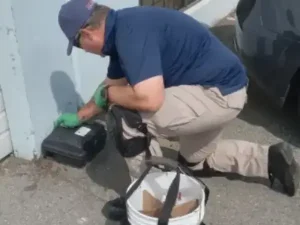 distinguishes between harmless seasonal invaders and destructive pests that jeopardize structural framing or public health. Accurate species identification ensures that treatment strategies target the precise biology and nesting habits of the invading pest rather than relying on ineffective broad-spectrum sprays.
3. Proactive Prevention vs. Reactive Extermination
Waiting until pests become a major nuisance usually results in higher repair costs, extensive property cleanup, and unnecessary stress. Scheduling a routine pest inspection shifts your home maintenance strategy from reactive damage control to proactive prevention. Identifying conducive conditions—such as overhanging tree branches, stacked firewood against siding, or aging weather stripping—allows you to correct vulnerabilities before pests ever establish a foothold inside your property.
Don’t wait for hidden pests to cause costly damage inside your walls or foundation. Protect your investment and gain peace of mind with a comprehensive structural evaluation from our licensed specialists. Contact or call our team today to schedule your expert pest inspection and keep your property safe year-round!