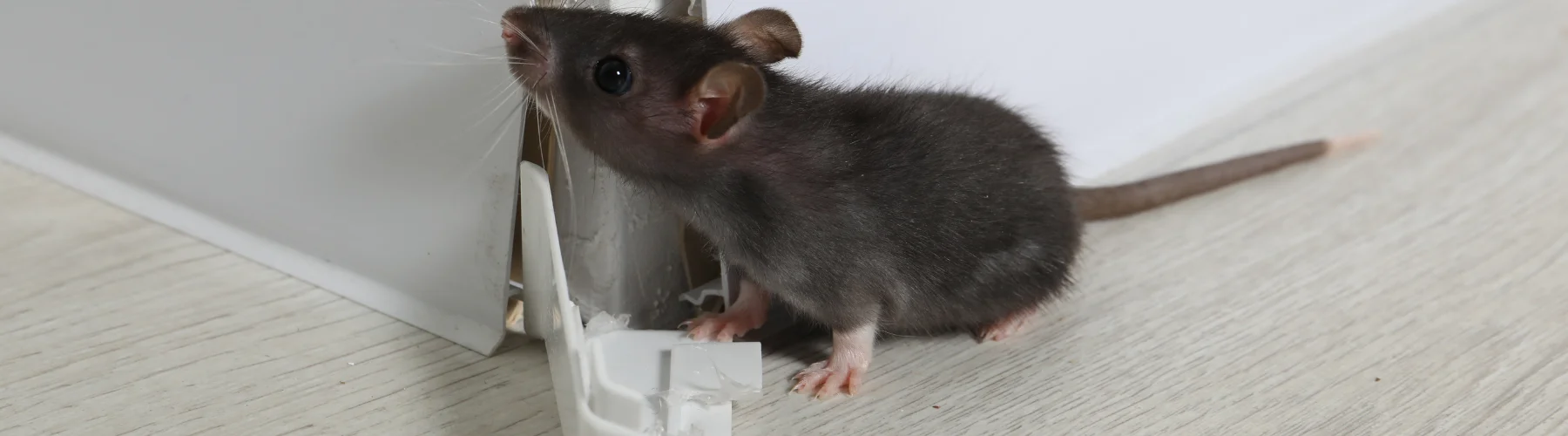

Treating only one apartment or condo unit fails because pests like German cockroaches, bed bugs, and mice travel effortlessly through shared wall voids, plumbing chases, and electrical conduits. When an isolated suite is sprayed, pests migrate into neighboring units to escape the treatment, only to return later. Achieving permanent eradication across Metro Vancouver properties requires comprehensive multi unit pest control strategies that inspect and treat surrounding suites simultaneously.
Living in or managing multi-family residential properties across Greater Vancouver presents unique pest management challenges. Whether it is a high-rise condo tower in downtown Vancouver, a multi-building strata complex in Burnaby, or a wood-frame rental building in Surrey, pests do not respect tenancy boundaries or suite door seals. When an occupant spots cockroaches in their kitchen or bed bugs in a bedroom, the immediate instinct is to treat that specific apartment. However, localized treatments routinely fall short of providing a long-term solution. Understanding how pests exploit shared building infrastructure—and why professional multi unit pest control is necessary—is critical for Lower Mainland property managers, strata boards, and tenants seeking permanent relief.
How Multi-Unit Infrastructure Enables Pest Migration
Multi-family housing structures operate as single, interconnected ecosystems. A single building can house dozens or even hundreds of individual suites connected by a vast network of hidden channels. When an infestation establishes itself inside one apartment, it quickly expands into surrounding spaces through shared architectural voids. Relying on spot treatments in individual units merely scratches the surface of a building-wide problem, making integrated multi unit pest control the only reliable defense against persistent pest pressures in coastal British Columbia.
1. The Hidden Pathways Pests Use to Travel Between Units
Unlike detached single-family homes, multi-unit buildings feature extensive shared infrastructure that provides pests with protected highways throughout the entire structure:
- Utility Pipe Chases: Plumbing stacks and drainage lines running between floors create continuous vertical shafts for crawling insects and rodents.
- Electrical Conduits & Junction Boxes: Hollow electrical pathways allow pests like German cockroaches to travel safely between adjacent wall voids.
- Shared HVAC & Ductwork: Ventilation shafts and heating ducts provide ideal travel routes and temperature-controlled harbors across multiple suites.
- Drop Ceilings and Floor Joists: Suspended ceilings and hollow floor-ceiling assemblies enable pests to move horizontally across entire floor plates.
- Hallway Door Gaps: Unsealed exterior door sweeps permit bed bugs, ants, and mice to walk freely down carpeted common corridors into new units.
The “Repellent Effect” and Pest Repositioning
A major reason single-unit treatments fail is the unintended behavioral reaction caused by off-the-shelf or improper pesticide applications. Standard contact sprays often act as chemical repellents. When a single suite is sprayed heavily without a broader multi unit pest control plan, foraging pests sense the chemical threat and scatter into untreated surrounding wall cavities. They temporarily relocate to adjacent units above, below, or next door. Once the chemical barrier degrades weeks later, the pests return to the original unit, resulting in an endless cycle of re-infestation that frustrates tenants and inflates maintenance budgets.
The Role of Uncooperative or Unaware Neighbors
In any multi-unit property, pest management is only as strong as the least cooperative resident. A severe cockroach or bed bug infestation can flourish inside a single suite where the occupant is unable or hesitant to report the issue due to social stigma or physical limitations. If a technician only treats adjacent complaining units while skipping the primary source unit, the infestation will continuously spill back out into surrounding corridors. Effective multi unit pest control protocols incorporate mandatory inspections of adjacent units (“block inspections”) to identify and eliminate root harborage sites.
2. Implementing a Strategic Multi Unit Pest Control Program
Resolving pest issues in multi-family properties requires moving away from reactive, unit-by-unit band-aids. Professional exterminators who specialize in multi unit pest control utilize Integrated Pest Management (IPM) strategies tailored specifically for high-density housing in the Lower Mainland. This involves conducting thorough inspections of surrounding units (above, below, and on both sides), installing non-repellent transfer baits, sealing structural wall voids, and utilizing specialized dust formulations inside shared utility chases so foraging pests carry treatments throughout hidden wall networks.
3. Protecting Property Value, Strata Health, and Tenant Satisfaction
Unresolved pest problems in multi-family housing lead to tenant turnover, negative online reviews, strata disputes, and severe property damage. Adopting a proactive, building-wide approach ensures that pest issues are contained and eradicated before they spread across entire floor plans. Collaborating with experienced technicians for ongoing multi unit pest control safeguards tenant well-well-being and protects overall real estate value across Greater Vancouver.
If you are a property manager, strata council member, or resident dealing with recurring pest issues in a multi-unit building across Greater Vancouver or the Fraser Valley, don’t let isolated treatments delay a real solution. Contact or call our expert team today to schedule a comprehensive property assessment and implement an effective multi unit pest control strategy!